

Cash or Crash Live Sensory Experience for UK Gamblers
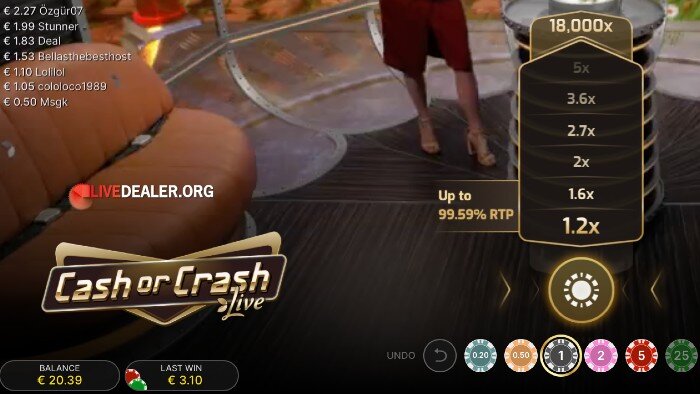
Let me be straight with you: finding a live game show game that truly stands out from the crowd in the UK scene is a genuine challenge. So many seem like iterations of the same idea, offering a similarly frantic tempo and familiar mechanics. This is why discovering Cash or Crash Live was a revelation personally. It is more than just another listing; it offers a complete sensory experience expertly built to captivate you on many levels. From the moment you load the game on cashorcrash.uk, you enter a custom, high-stakes game show set, complete with an engaging live host who guides every moment. The title skillfully combines the palpable tension of a live broadcast with the polished, tactical gameplay of chasing multipliers. For UK gamblers wanting more than the usual, this title offers a distinctive mix of suspense, tactics, and pure, unvarnished spectacle that merits further scrutiny.
A Sensory Spectacle of Sight and Sound
Cash or Crash Live is an exemplar of sensory game design. Visually, it’s sharp, contemporary, and completely concentrated. The central balloon is clear and vibrant, with the current multiplier displayed prominently, ensuring you’re never in doubt about your potential win. The backdrop is dynamic, often reacting to the game state with subtle lighting changes or graphical effects that amplify the mood without being distracting. The audio experience is similarly well-crafted. The audio track is a powerful, film-like composition that increases in intensity as the multiplier climbs, perfectly syncing with your own rising heartbeat. The inflating balloon produces a tense, sustained tone, and the final cash-out jingle or the burst of the pop are extremely satisfying and distinct. This multi-sensory approach does more than just please the senses; it directly impacts gameplay by amplifying emotional reactions and making each moment feel meaningful and absorbing.
The Special Role of Cash or Crash in the Industry
Situating Cash or Crash Live within the broader context of UK online gaming highlights its singular appeal. It lies at a fascinating crossroads. It encapsulates the live, human-interactive excitement of live dealer roulette or blackjack but substitutes complicated regulations with a singular, gripping decision. It presents the quick payoff of slots but trades rotating symbols for a strategic, suspenseful progression. This blended character is its primary advantage. It doesn’t seek to replace those games but presents a distinct alternative for when you desire a novel experience. The broadcast value often surpasses many standard live game shows, resembling high-end television. For both casino hosts and gamers, it embodies novelty within the live casino space, proving that there is massive appetite for offerings that focus on raw, suspenseful play and premium visuals. It’s a yardstick for what a contemporary live game format can be.
Getting the most from Your Enjoyment Responsibly
To make the most of Cash or Crash Live, I always recommend a mindful approach. Start by considering it entertainment first, with any potential win being a bonus. Before a session, decide on a strict budget—an amount you are completely comfortable losing—and stick to it religiously. Use the game’s tools, like setting a loss limit, which are crucial for responsible play. When it comes to strategy, I advise starting with smaller stakes to truly experience the rhythm of the game without pressure. Experiment with different cash-out points to see what style matches your temperament. Pay attention to the host; their commentary can sometimes reflect the general mood, though remember every round is independent. Crucially, never go after losses. If you’ve reached your pre-set limit, have the discipline to walk away. The game will be there another time. This mindful framework ensures the experience remains a wonderful thrill, not a stressful pursuit.
Comprehending the Core Multiplier Chase
At its heart, the action of Cash or Crash Live is an graceful, nerve-wracking examination of nerve. Each round begins with a individual, virtual balloon on your screen, and your aim is clear: decide when to cash out. With every succeeding second, a multiplier assigned to your stake increases, visually shown by the balloon expanding. The potential payout turns tantalisingly larger. However, hidden within the game are crash points. If the balloon explodes before you cash out, you sacrifice your stake for that round. This produces a deliciously straightforward yet deep dilemma: push your luck for a greater multiplier or secure a smaller, guaranteed win? The genius lies in its purity. There are no complex side bets or confusing rules to decode. It’s simply you, the increasing multiplier, and your own appetite for risk. This transparency makes it remarkably reachable for newcomers, while the high-stakes decision-making delivers a intense, strategic thrill for experienced players. Every round is a new psychological battle against your own covetousness.
Steering the Strategic Tension
The tactic in Cash or Crash Live is a captivating study in behavioural psychology https://cashorcrash.uk/. While the crash points are randomly generated, the skill arises from controlling your bankroll and your sentiments. I’ve realized that developing a personal restraint is crucial. Some players follow a prudent ‘cash out early and often’ approach, accumulating a series of small wins. Others, pursuing the adrenaline of a enormous multiplier, will let the balloon expand much deeper. There’s no globally correct answer, which is what makes it so engaging. You must read the room, perceive the rhythm of the game, and listen to the host’s cues. The live element brings another layer; you can feel the collective tension in the studio, which can affect your own timing. It’s a game that benefits a cool head. Chasing losses or becoming carried away after a big win are the swiftest paths to an empty balance. For me, the most successful sessions are those where I set clear limits for myself before I even commence playing.
The Game Show Studio Comes Home
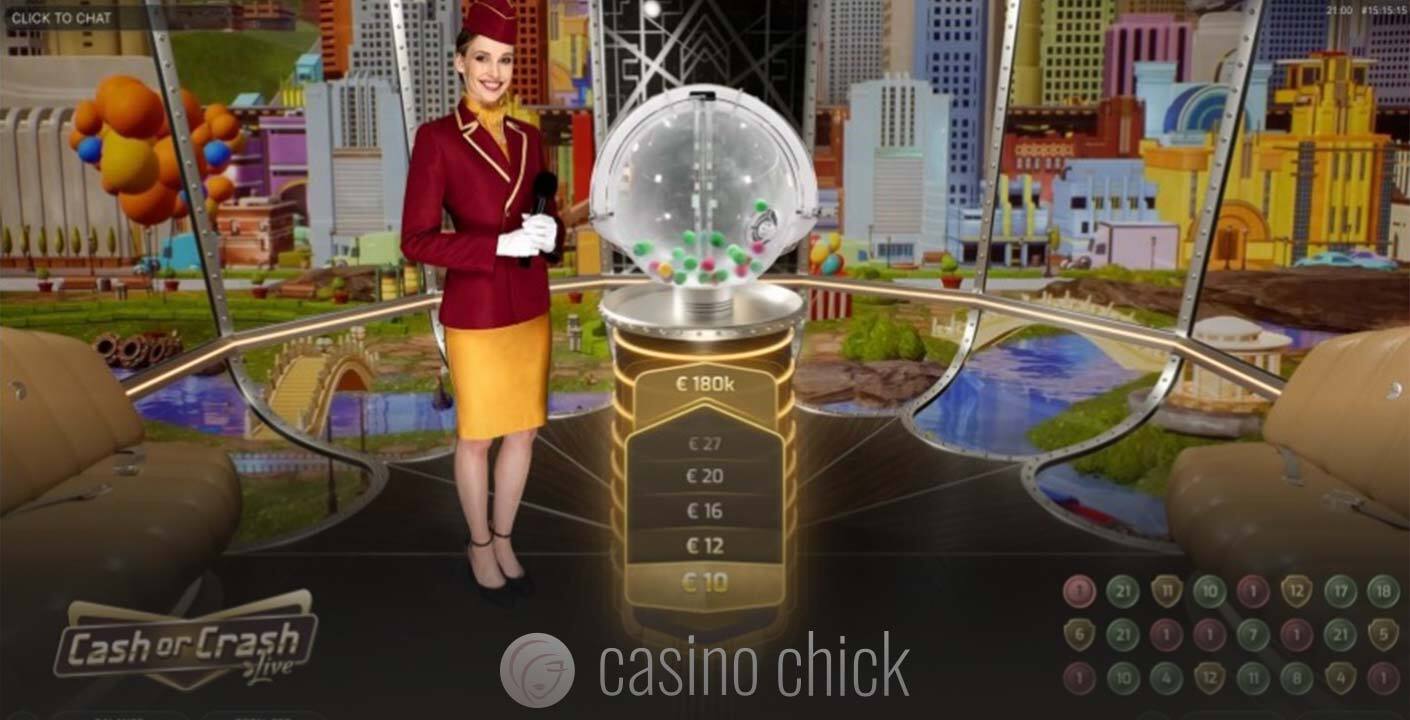
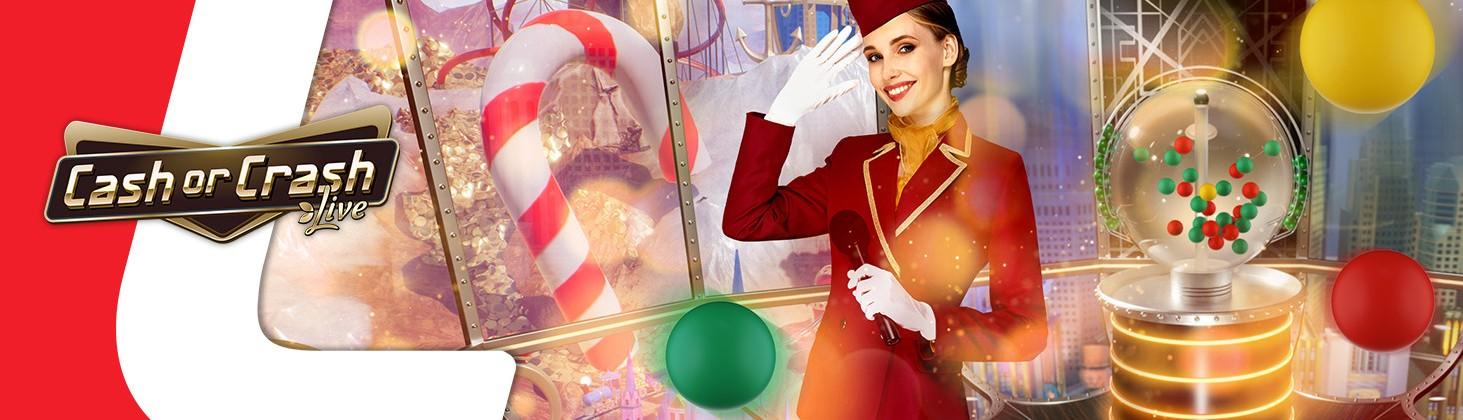
What immediately strikes me about Cash or Crash Live is its exceptional production value. This is not a generic live dealer backdrop; it’s a specially designed, immersive studio built specifically for this game. The set is a character in itself, featuring bold lighting, sleek digital displays, and a central podium that seems taken from a prime-time television broadcast. The live host is the central element, your personal guide through each round, building suspense with authentic charisma and clear, engaging commentary. This human element is essential. Unlike automated games, the host engages with the action, marks big wins with you, and creates a united sense of occasion. For me, this transforms the experience from a solitary click into a interactive event. You’re not just observing numbers change; you’re part of a live studio audience, with all the united gasps and cheers that involves, all from the ease of your own home. The audio design completes the picture, with a throbbing soundtrack and crisp sound effects that heighten every decision point.
What makes UK Players Are Enjoying the Adventure
The appeal of Cash or Crash Live to a UK viewership is complex. Firstly, we have a time-honored cultural love fascination with game shows, from the classic tension of ‘Who Wants to Be a Millionaire?’ to the exciting reveals of ‘Deal or No Deal’. This game hooks directly into that well-known, favorite format. Secondly, it offers a superb mix of simplicity and depth. You can grasp the rules in seconds, making it easy to get into, yet the strategic decision-making provides endless depth. Furthermore, in a market filled with identical slot games and traditional table games, Cash or Crash Live offers a delightfully different pace and style of play. It’s a shared experience, too. The live host builds a sense of community, and it’s the type of game you can easily discuss with friends—pondering whether you’d have taken the money or continued. For the UK enthusiast, it feels both fresh and comfortingly familiar at the same time.