

Hospice Care and the Spaceman Game : A Moment at the End of Life in the UK
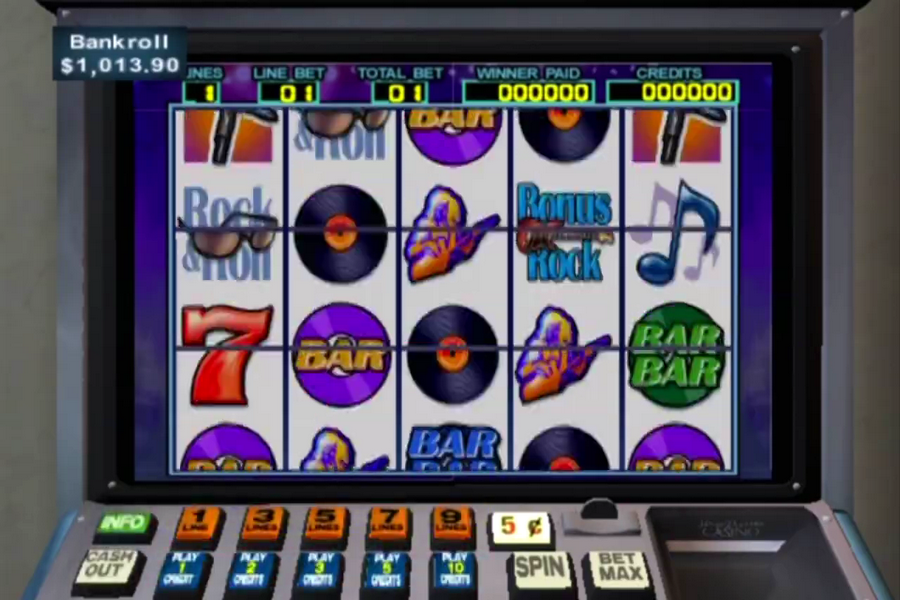
Operating within end-of-life care across the United Kingdom, I continually observe a gentle, profound need. People seek moments of simple connection that remain separate from the clinical schedule. At its heart, good hospice care aims to honour the whole person, not just the patient. It endeavours to provide dignity and comfort when life is closing. It was in this tender world that I discovered something that felt out of place, yet was deeply moving. Some hospices were employing the Spaceman Game, a popular online slot machine, to engage with patients and trigger memories. This article explores that practice. It asks how a digital game about a cartoon astronaut in a bright, starry setting could possibly fit inside the solemn, kind atmosphere of a UK hospice. We will consider the therapy goals behind it, the practical and ethical questions it raises, and what it might mean for personalised care at the end of life. This is about where today’s digital culture meets the ancient practice of palliative compassion.
Larger Implications for Terminal Care Innovation
The story of the Spaceman Game indicates a bigger trend in end-of-life care. It’s about thoughtfully bringing pieces of mainstream digital culture into the hospice. The generations now approaching the end of life were raised on video games, social media, and smartphones. Their sources of comfort, nostalgia, and engagement are digital. Hospices must adapt to embrace these touchstones. That might mean using VR for virtual trips, organizing video calls with far-away family, or using simple games for stimulation. The takeaway isn’t that every hospice should use this specific slot game. It’s that care providers should see beyond the usual activities and reflect on the unique life of each patient. It asks us to reconsider what qualifies as a ‘therapeutic activity.’ The definition should broaden to encompass any practice that is legal and ethical, and can alleviate distress, foster connection, and validate who a person is. This versatile, adaptive mindset is how we make sure end-of-life care remains relevant, compassionate, and personal in a world that remains changing.
So, what does this analysis demonstrate? The use of the Spaceman Game in UK hospice care might appear unusual at first glance. But it actually derives directly from the core ideas of personalised, holistic palliative medicine. Its worth isn’t in its mechanics as a gambling simulation. Its value is in how it’s been repurposed—as a tool for distraction, for social bonding, for communicating “you matter.” The practice is surrounded in ethical safeguards, based on pretend play and informed consent, and carried out with a clear therapy goal. It prompts us of a vital truth in end-of-life care. Dignity and comfort often arise from respecting a person’s entire life story, covering the simple things they appreciated. This small case study shows the innovative spirit and deep compassion of hospice teams across the UK. They are searching, always searching, for ways to create moments of joy and connection. However those moments might be found.
The Therapeutic Intent Behind Gaming in Palliative Settings
Nothing occurs in a hospice without a therapeutic reason, and the Spaceman Game is no different https://spacemanslot.uk. From what I have witnessed, I believe there are a few primary goals. To begin with, it functions as a distraction. It can give the mind a short break from suffering, stress, or the relentless strain of sickness. The bright visuals and uncomplicated, gripping action can capture attention, giving a momentary getaway. Secondly, it can facilitate social bonding and feel more natural. A relative or caregiver present at the bedside might run out of things to say. Engaging in a mutual, non-emotional task such as this can relieve the awkwardness, spark a chuckle, and create a new, good memory together that isn’t about being sick. Thirdly, it delivers soft intellectual activity. It demands slight decisions and a little attention, but in a enjoyable fashion. Lastly, and maybe most significant, it can validate the individual. If a patient has always been fond of these games, or expresses interest at this time, putting it in their care plan says something. It signals their individuality and their decisions are still valued. It respects their past self and their present self.
Addressing the Fundamental Ethical Issues
Utilizing a game founded on wagering systems for vulnerable people obviously brings up serious ethical questions. Any healthcare professional has to confront these directly.
The Main Concern with Simulated Wagering
The biggest worry is that it might make gambling seem normal or promote it. In my opinion, the moral application of this game relies entirely on situation and permission. The activity is not arranged as wagering for currency. The stakes are typically imaginary—using fake credits or points—with all involved understanding that no genuine funds are transferred. The focus is deliberately shifted onto the experience itself: the tension, the visuals, the collective experience. It is deliberately detached from its business origins. This only succeeds with open, ongoing discussions with the patient and their loved ones. Everyone must understand the goal is recreation and therapy, not making money. You also have to think carefully about the patient’s mental state and their own history with gambling. For someone who struggled with compulsive betting, this tool would be inappropriate and must be avoided.
Practical Implementation in a Palliative Care Environment
Making this work requires some hands-on thought. You usually need a tablet, either provided by the hospice or the patient. It needs to be simple to clean and maintain a charge. The staff or volunteers supporting the game need a bit of training. Not on how to play, but on the fundamentals: how to set it up with pretend credits, how to talk about the enjoyment and distraction instead of ‘winning’, and how to recognize when the patient is tired. Sessions generally to be short, maybe ten or fifteen minutes, matching often low energy levels. Where it happens matters. It might be in a patient’s room with visiting grandchildren, or in a common lounge as a gentle group activity. The key point is that it is never forced. It is presented as one choice among many, like painting or listening to music. Writing it down is also important. A note in the care records about how the patient responded helps build a picture of what brings them joy. That information helps shape their future care, and might even help others.
Unveiling the Spaceman Game: How It Works and Attraction
Before we can see its role in care, we need to know what the Spaceman Game is. It’s an online slot game, typically played on a website or an app. You know it by its simple, cartoonish style: a little astronaut character against a field of stars. How it works is straightforward. A player places a bet and sends the ‘spaceman’ into a multiplier round. The spaceman rises next to a grid of increasing multipliers. The player has to hit ‘cash out’ before the spaceman randomly explodes to lock in the multiplier on their bet; wait too long and you miss your stake. People like it for that tense, instant feedback and the bright, playful graphics. It’s not a story-heavy video game. It requires very little from your brain or your hands, offering quick little bursts of fun. For many, especially older people who know fruit machines, it feels like a familiar kind of light entertainment. Because it’s digital, you can play it on a tablet or phone. That makes it easy to bring to someone who can’t move much. Looking at its features, its possible value in a therapy setting became clear to me. The value isn’t in the gambling part. It’s in how the game can act as a focused, shared activity. It’s visually engaging and doesn’t demand much from the player.
Household and Team Perspectives on Virtual Engagement
Which families and staff feel tells you a lot about how this sort of thing works. Looking at accounts and stories, family reactions often commence with amazement. But that often becomes thankfulness. For adult children struggling to relate with a dying parent, a shared game can ease tension. It can foster a light-hearted memory during a dark phase. It can make a visit appear less heavy. For nurses and healthcare workers, it becomes another way to engage a patient who seems closed off or disengaged in other treatments. It can showcase a flash of individuality—a competitive side, a sense of comedy—that was hidden. Of course, not everyone views it favorably. Some staff or relatives might think it trivial or inappropriate. That shows why clarifying the therapy goals explicitly is so crucial. For this approach to prosper, the hospice requires a culture of openness. It requires a shared understanding in person-centred care, where staff believe they can try new things tailored to the individual in front of them.
The guiding principle of personalised care in modern UK hospices
Hospice care in the UK has changed. It moved from a model focused only on medicine to one that is all-encompassing and focused on the person. Modern hospices, including inpatient units, community teams, or day centres, are guided by a simple idea. Care must address the physical, psychological, social, and spiritual. Yes, managing symptoms and reducing suffering is the principal goal. But there is a further mission equally important: to help people make the most of their remaining time until they die. This means care plans are not merely pulled from a rulebook. They are thoughtfully built around a person’s unique story, their preferences and aversions, and what they can still do. In this world, a patient’s request for a certain meal, a visit from their dog, or listening to a beloved song is managed with the equal professional weight as providing pain medication. This structure, built on discovering meaning for the individual, is why alternative activities like digital games can be thought about. The question ceases to be about what seems typically ‘appropriate’ and begins to be about what actually matters to the person in the bed. That transformation makes room for new ways to engage and soothe, methods that might confuse outsiders but fit perfectly with what hospice care tries to be.